Sub-6% mortgage rates vanish as Iran war sparks inflation fears
Published in Business News
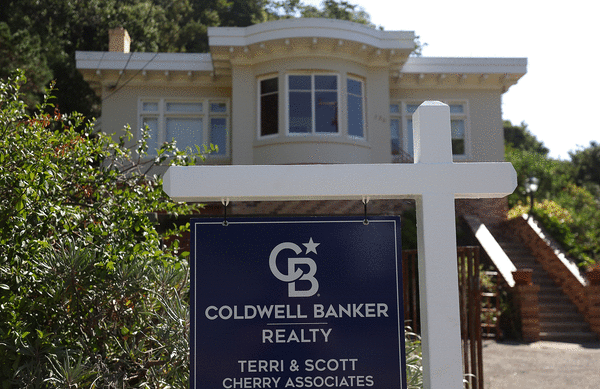
U.S. homebuyers had to act fast last week to nab the first sub-6% mortgage rates in more than three years. Now they’re up, and the new conflict in the Middle East threatens to nudge them higher.
The average for 30-year, fixed loans climbed to 6% from 5.98% last week, which was the lowest point since September 2022, data from Freddie Mac showed Thursday. A year ago, it was 6.63%.
Last week’s decline offered a psychological boost for Americans who may have been holding off on housing decisions for years. While this new increase may be jarring for some, rates are still down significantly from a year ago, giving house hunters more purchasing power and sparking optimism across the industry for a better spring sales season this time around.
The war with Iran throws a variable into the mix. As long as there’s a quick resolution, economists say borrowing costs aren’t likely to rise enough to spoil the momentum. A lengthy conflict, however, would push up oil prices and generate higher inflation, keeping upward pressure on the Treasury yields that guide home loans.
“I don’t think what we’re seeing in Iran is nearly enough to kill the spring buying season,” said Brad Case, chief economist for Homes.com. “But it is enough to push mortgage rates up a little bit.”
It’s a precarious time for a housing market that remains unaffordable for many Americans, even as price growth has flattened. The spring is traditionally a busy period for sales as the weather warms and families look to land a deal before the new school year starts.
“The most likely scenario” points to a quick resolution in the Middle East, said Mark Zandi, chief economist of Moody’s Analytics. But if the war drags on for more than a few weeks, “oil prices and interest rates will be higher, weighing heavily on the psyche of American households who are already on high alert over the cost of living.”
That, Zandi said, would “do significant damage to the economy and housing market.”
Christopher Maloney, mortgage strategist for BOK Financial Securities, said if the war gets bad enough, it could also damage buyer confidence.
“Forget about your rate — how are people going to feel about the economy?” Maloney said. “Once you kick the football in a war, you never know where it’s going to go. People will ask should we be taking on buying a house now?”
Over the weekend in Crofton, Maryland, four sales contracts dropped on the desk of Ryan Paquin, branch manager with First Home Mortgage. Three came from buyers with closing dates scheduled for next month and they chose to lock in their rates for 30 days. The fourth decided to wait a couple days and see if loan costs came down.
“One gentleman is a risk taker,” Paquin said. “He eventually locked in.”
©2026 Bloomberg L.P. Visit bloomberg.com. Distributed by Tribune Content Agency, LLC.









Comments