California's mussel sticker fee just went up. Here's what boaters need to know
Published in News & Features
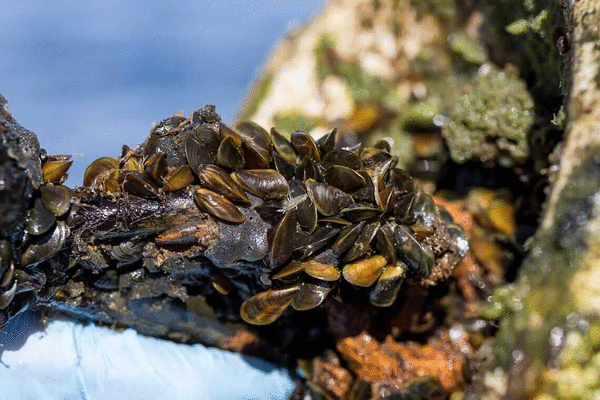
California boaters will now face a higher fee to use the state’s lakes, rivers and other waterways as officials expand their efforts to fight invasive golden mussels.
The California State Parks Division of Boating and Waterways announced that the cost of a Mussel Fee Sticker has increased to $42 from $16 for a full two-year cycle — a 162.5% increase.
Boaters purchasing a sticker in 2026 pay $21 under the new fee schedule, which took effect Thursday. Those purchasing a sticker during an odd-numbered year pay $42.
The increase comes as golden mussels continue to spread through California’s interconnected waterways, threatening drinking water supplies, agricultural infrastructure and recreational boating access.
The invasive species, first discovered in the Sacramento-San Joaquin Delta in October 2024, has prompted emergency declarations in Sacramento, Yolo, San Joaquin and Kern counties.
State officials said the additional money will support boat inspections, decontamination, monitoring and other measures intended to prevent the mussels from reaching new waterways.
But the state’s announcement does not specify how much additional revenue the increase will generate, which waterways will receive additional funding or how officials will measure the program’s success.
“We recognize that any fee increase affects boat owners,” said Ramona Fernandez, deputy director of the Division of Boating and Waterways, in a statement. “This strengthened Mussel Fee Sticker program will allow California to invest more into protecting waterways from the growing threat of invasive mussels and help waterbody managers keep those waters healthy, accessible and open for recreation.”
Here’s what California boaters need to know.
How much is California’s new mussel sticker fee?
The state has increased the cost of a full two-year Mussel Fee Sticker from $16 to $42. The amount boaters pay depends on when they purchase the sticker:
— 2026: $21. Boaters purchasing a sticker during an even-numbered year pay $21.
— 2027: $42. Boaters purchasing a sticker during an odd-numbered year pay $42 for the full two-year cycle.
The sticker expires at the same time as the vessel registration renewal, which is due Dec. 31 of every odd-numbered year.
The mussel sticker is a separate purchase from the regular boat registration fee. Boaters do not pay the fee each time they launch.
Some boaters may see the old $16 fee on their registration renewal notices. State Parks said the DMV mailed those notices before the increase took effect. The new fees apply to purchases beginning Oct. 22.
The DMV, which administers boat registrations, also charges a 1.95% processing fee for credit or debit card transactions. Payments directly from a bank account carry no additional processing fee.
Who has to buy a mussel sticker in California?
State law requires owners of California-registered recreational vessels operating in freshwater to purchase and display a current Mussel Fee Sticker.
The requirement applies to lakes, rivers, reservoirs and other freshwater inland waterways, including the Sacramento-San Joaquin Delta east of Chipps Island.
Boats used exclusively in saltwater are exempt. However, owners must purchase the sticker before taking those vessels into freshwater.
Boaters operating without a required sticker can receive a citation.
The DMV issues two stickers, which must be displayed on opposite sides of the boat’s hull next to the vessel registration stickers and identification, or CF, number.
Does the mussel sticker cover inspection fees at lakes?
Not necessarily. Paying the statewide mussel fee does not exempt boaters from inspection requirements or additional fees imposed by individual lakes and reservoirs.
State Parks said inspection and decontamination programs vary by waterway and some locations may require separate payments before a boat can launch.
Boaters should check local requirements before visiting a lake or reservoir. State Parks maintains a list of reservoir restrictions and inspection information at dbw.parks.ca.gov/inspections.
Do boaters with existing mussel stickers have to pay again?
It remains unclear whether boaters who purchased a Mussel Fee Sticker before the increase took effect must pay the difference.
The Sacramento Bee asked California State Parks whether boaters with existing stickers would face an additional charge. The agency said it would provide an answer but had not clarified the requirement as of Friday afternoon.
According to the DMV, mussel stickers remain valid through Dec. 31 of every odd-numbered year.
Where can boaters buy the mussel sticker?
Boaters can purchase the sticker online through the California DMV at dmv.ca.gov/musselfee, at DMV field offices or at participating AAA offices for Auto Club members.
The DMV requires the sticker to be purchased separately from vessel registration.
Boaters should have their CF number available when purchasing a sticker.
Boaters who pay the fee but haven’t received their stickers should keep a receipt or screenshot of their purchase to show law enforcement if asked, according to State Parks. Those who haven’t received their stickers can contact the DMV at 800-777-0133.
Where does the money from California’s higher mussel fee go?
The Division of Boating and Waterways said revenue from the fee supports invasive mussel prevention programs, including boat inspections, decontamination, monitoring, public education and grants to eligible agencies that manage waterways.
California established the Mussel Fee Sticker program in 2012 to prevent the spread of quagga and zebra mussels.
Assembly Bill 149, approved in 2025, expanded the program to address all invasive mussel species and revised its fee structure beginning in 2026.
The increase comes amid continuing worries about golden mussels, an invasive bivalve from China that reproduce rapidly and attach to boats, trailers, pipes, pumps and other underwater surfaces.
The mollusks can form dense colonies that clog pipes, obstruct water flow and foul boat motors. Removing the mussels requires ongoing maintenance, increasing costs for water agencies, agricultural operations, power producers and recreational boaters, according to the Department of Fish and Wildlife.
The species reached the Port of West Sacramento in June and waterways connected to the State Water Project, which delivers water to communities and farms across California, according to previous Bee reporting. Sacramento County supervisors declared a local emergency over the infestation later that month.
California also committed $7.5 million in its 2026-27 budget to combat golden mussels, including funding for five boat decontamination sites around the Delta.
How can boaters stop golden mussels from spreading?
Even boats without visible mussels can transport the invasive species because microscopic larvae can survive in water left inside vessels and equipment.
Golden mussels range from dark brown to gold and can grow up to 1¾ inches long, according to the California Department of Fish and Wildlife. They attach to boats, motors, aquatic plants and other surfaces.
California wildlife officials urge boaters to follow “Clean, Drain and Dry” procedures before leaving a waterway or launching in another. That means removing plants, mud and debris from boats, trailers and equipment; draining water from compartments; and allowing equipment to dry completely.
Boaters must also follow local inspection, quarantine and decontamination requirements, which vary by waterway.
_____
©2026 The Sacramento Bee. Visit sacbee.com. Distributed by Tribune Content Agency, LLC.





Comments