British Prime Minister Burnham heads to Brussels: What to expect from UK-EU summit
Published in News & Features
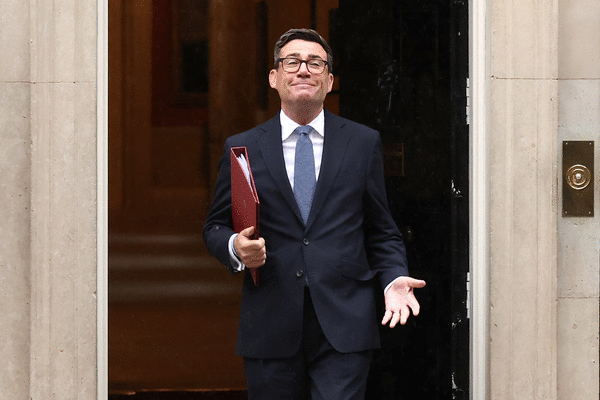
LONDON — Andy Burnham will meet with European Union leaders Friday to seal a deal for closer ties as part of a post-Brexit reset that the U.K. Prime Minister has said he wants to go even further.
The core elements being signed off at the summit in Brussels have been widely trailed over months of talks that were originally planned for summer but were then delayed because of the resignation of Burnham’s predecessor, Keir Starmer.
Burnham has said the deal on the table could add 0.4% to Britain’s economic output, but in recent weeks he’s said he wants to explore going much further, flirting even with the prospect of rejoining the bloc that Britain voted to leave in 2016 and left almost seven years ago.
The premier has said he’ll lay out options for the future relationship next month, and after Friday’s summit is over, the focus will inevitably shift to how that discussion will pan out.
Here’s what to look out for in Friday’s deal:
—Trade in Foods: The U.K. and EU aim to agree to abide by common so-called sanitary and phytosanitary standards. That would remove border checks on the vast majority of trade in animals, plants and derivative products allowing most foods to be traded without the current requirement for certification. In exchange, the U.K. would align its rules with those of the bloc.
Britain has been pushing to join European decision-making committees — something EU member states have bristled against without closer alignment in other areas. There is opposition to the U.K. having a bigger say in shaping EU rules, but under the deal U.K. law would be automatically updated with EU changes — a controversial move that limits U.K. parliamentary oversight.
—Emissions Trading: Since Brexit, the U.K. and EU have operated separate emissions trading systems, which impose pollution caps on companies and allow those that reduce emissions faster to sell unneeded credits to others. The two now aim to link their systems and allow for mutual recognition of each other’s pollution permits. They would also exempt each other’s goods from any carbon border adjustment mechanisms in place.
—Youth Experience: The U.K. and EU aim to set up a Youth Experience Scheme giving the freedom to travel, work and study to young Europeans. A draft text of the deal this week showed there were still long-standing disagreements over the specifics, though on Thursday people familiar with the talks said they reached an agreement on a 100,000 cap for the number of young people granted visas, a win for the EU after British envoys sought a lower number.
The parties are also wrangling over how much the U.K. will lower tuition fees for EU students, a debate that appears unlikely to be resolved this week. While the U.K. has indicated it is open to lower fees than currently offered to overseas students, no final number has been settled on.
European nations have been pushing hard for “home fees” matching the rates paid by British students. Such a concession would require a big win for British negotiators elsewhere. The draft seen by Bloomberg suggests a six-month time deadline would be set to sign off on this area. The two sides aim to apply the deal no later than 2028 so that it is available to young people by January 2030.
—Other Areas: Attention has largely turned beyond these three elements to the potential for more collaboration to come.
Britain has an ambition to leave the summit with a reciprocal commitment on future access to the bloc’s Made in Europe procurement program. A final deal is, however, not expected until next year because the legislation has yet to be approved by the EU. The summit agreement will contain a commitment to kick-starting a dialogue on economic security focused on wider coordination of policies.
The U.K. has been holding out against European demands for it to mirror the bloc’s treatment of other international trading partners, instead arguing for a watered down wording to be included in the statement.
Both sides have diverged in their treatment of China, with Britain resistant to European pressure to toughen tariffs on some goods from the Asian nation. The disagreement could threaten Britain’s bid to access subsidies and contracts under Made in EU.
—What is not expected?
European member states have been pushing for the U.K. to pay to rejoin the EU electricity market. Reaching a final agreement on this issue has not been the focus of talks but progress has been made in moving toward an eventual deal and there is expected to be a commitment to do so next year, according to people familiar with the matter. They spoke on condition of anonymity because the negotiations are private.
Other areas punted to future talks include work to tackle irregular migration and efforts to further tighten cooperation on security and defense. The deal is not expected to include any mention of U.K. access to any future SAFE defense loan scheme, after previous talks over British participation of it broke down.
(Alberto Nardelli contributed to this report.)
©2026 Bloomberg L.P. Visit bloomberg.com. Distributed by Tribune Content Agency, LLC.





Comments