Tracking measles in Minnesota
Published in Health & Fitness
Public health officials have documented 203 cases of measles in Minnesota so far this year, more than doubling the most recent record outbreak a decade ago.
The highly infectious disease, which was declared eradicated in the U.S. in 2000, is making a comeback as fewer parents schedule their children for recommended vaccinations. This week, the Pan American Health Organization declared measles is once again endemic and spreading in North America.
In Minnesota, the tally of confirmed cases is at its highest level since 1990.
The Minnesota Department of Health provides case updates on Thursdays.
Measles is caused by a highly infectious virus, which can linger in droplets in the air long after they have been spread by infected individuals who cough, sneeze or speak.
“It is both devastating and alarming to those of us who work in public health” that measles is no longer considered eliminated in the U.S., said a written statement from the Minnesota Department of Health. “Eliminating measles, the most contagious disease on earth, from the U.S. was one of the most significant public health success stories in history.”
The illness involves a characteristic head-to-toe rash along with fever and breathing problems. About one in 10 cases requires hospitalization. Six measles deaths have been confirmed this year in the U.S., including the death of an infant in Wisconsin. The state hadn’t reported a measles death since 1990.
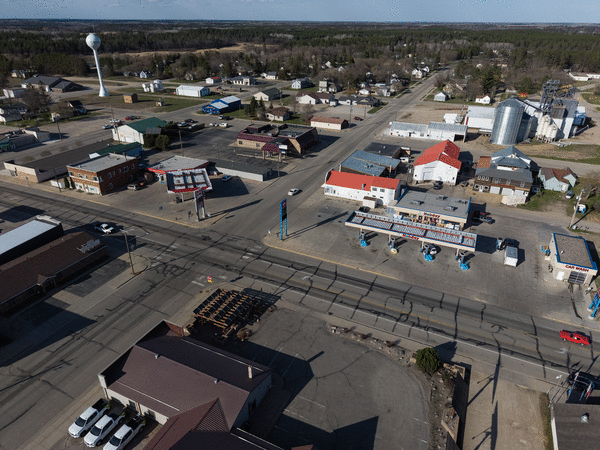
Minnesota has reported measles in 10 counties, but 177 of those cases have been in Todd County. Located in central Minnesota, the county has the state’s lowest measles vaccination rate, partly because of its sizable Amish communities, where most residents have religious objections to vaccination.
Most or all of the measles cases so far have involved Amish residents, according to community members. A 95% vaccination rate statewide had stifled the spread of measles in prior years and protected largely unvaccinated populations such as the Amish, but they became vulnerable as that rate declined. Only 81% of children born in 2023 in Minnesota have received one of two recommended doses by age 2.
The measles, mumps and rubella (MMR) vaccine is recommended in two doses by kindergarten and is considered 97% effective at preventing measles transmission. Kindergarten vaccination rates have been dropping in Minnesota for several years.
The first dose is usually scheduled at 12 months of age or later, when any immunity passed along in utero by mothers has faded. Given the emerging risks, doctors in Todd County have been offering an earlier first dose to infants.
A review by the University of Minnesota’s Center for Infectious Disease Research and Policy endorsed the practice of providing an extra dose in infancy.
“As families make plans to travel and gather for the holidays, we want parents to know that there is a safe and effective vaccination option for infants as young as 6 months who may be exposed to measles,” said Dr. Heidi Moline, co-author of the report.
_____
©2026 The Minnesota Star Tribune. Visit startribune.com. Distributed by Tribune Content Agency, LLC








Comments