At an old steel site in Pittsburgh, bacteria evolved to survive – and eat – industrial pollution
Published in Science & Technology News
Across Appalachia and the Rust Belt region, including throughout the city of Pittsburgh, former industrial sites are being transformed into new neighborhoods, research centers and technology hubs.
But another transformation has been taking place beneath them for decades.
Brownfields are former industrial or commercial sites. Redevelopment there can be complicated by pollution. They’re often defined by what was left behind: abandoned factories, vacant land, and soil contaminated with carcinogenic compounds.
But beneath the surface, brownfields remain living ecosystems. Billions of microbes inhabit these soils. In Pittsburgh, some have spent decades responding and adapting to the pollution of the city’s industrial past.
I am a microbiologist who became interested in this topic through a brownfield practically in my own backyard. My lab at Carnegie Mellon University is just 2 miles from Hazelwood Green, a 178-acre former industrial site at Pittsburgh’s riverfront along the Monongahela River.
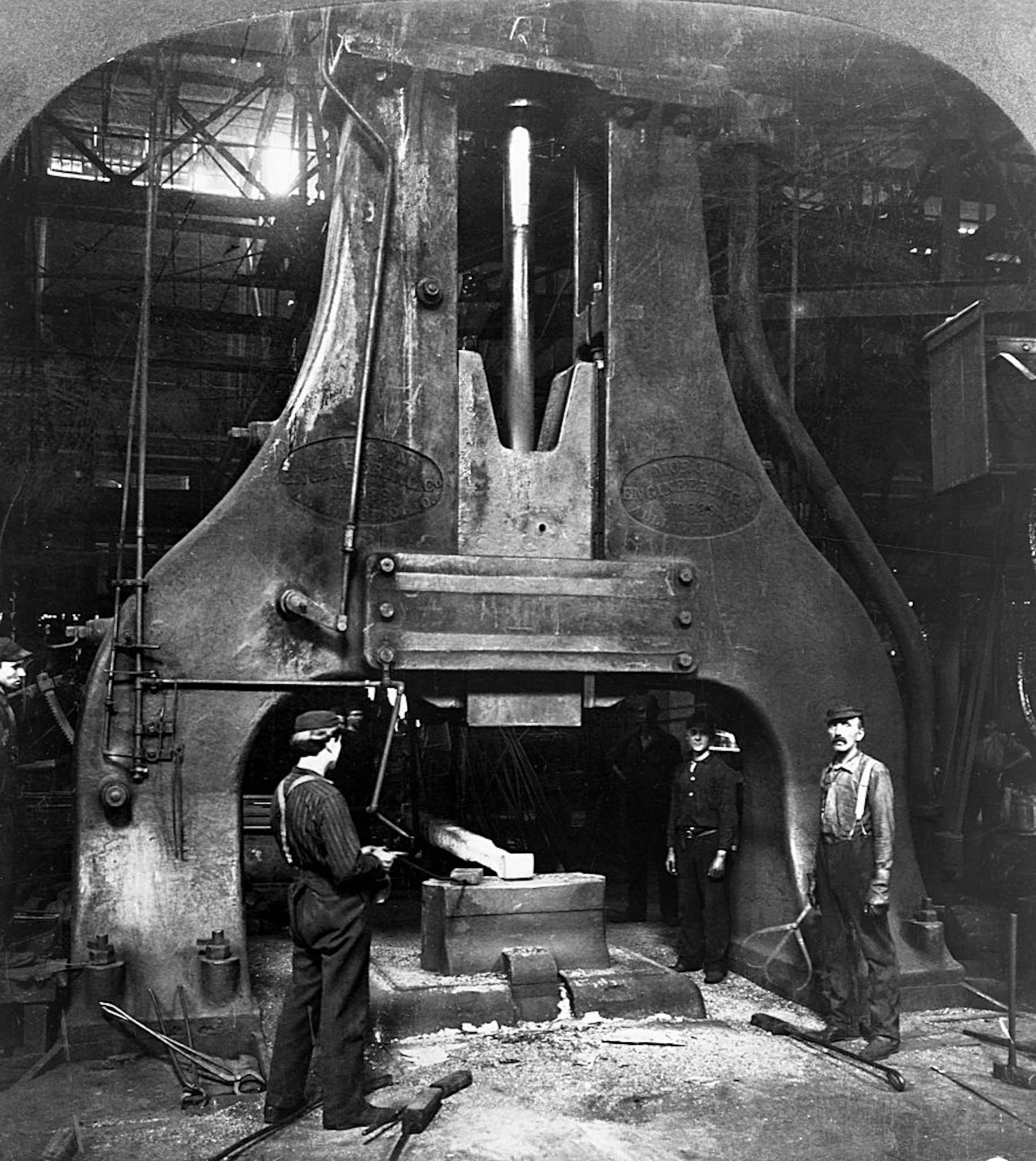
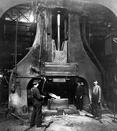
For more than a century, this area was home to steelmaking operations, including the Jones & Laughlin Steel Co.. At its peak, the site employed thousands of workers and helped earn Pittsburgh its reputation as the Steel City.
Pittsburgh’s industrial history also left a chemical legacy. Like many former industrial sites, Hazelwood Green contained soil contaminated with petroleum hydrocarbons, heavy metals and other pollutants, resulting in its classification as a brownfield. Among these contaminants are benzene, toluene, ethylbenzene and xylene, a group of petroleum-derived compounds collectively known as BTEX. These chemicals can be toxic to humans and other organisms, and some are known carcinogens.
Over the past several decades, substantial effort has gone into redeveloping Hazelwood Green. The remediated Hazelwood Green site is now a new center for research, technology and community engagement. This work, including remediating the site’s contaminated soil, raises an interesting biological question: What happened to the microorganisms that lived in these soils while they were contaminated? And can we learn anything from how they dealt with it to improve our ability to clean up other brownfields in the future?
Soil contains an extraordinary diversity of microorganisms. A single gram can contain billions of bacterial cells belonging to thousands of different species.
When pollutants like BTEX enter that environment, microbes encounter a new ecological challenge. For many organisms, the pollutant may be toxic. Some microbes, though, may already have metabolic pathways that let them tolerate the pollutant – or even consume it as food. That gives them an advantage over other bacteria at the same site.
Over time, pollution puts pressure on these microbes to adapt. Bacteria that can survive it — or even break it down — grow more common. And they can pass that ability to other bacteria, not just to their own offspring, by sharing genes directly.
At Hazelwood Green, decades of industrial pollution accidentally ran a giant evolution experiment for us.
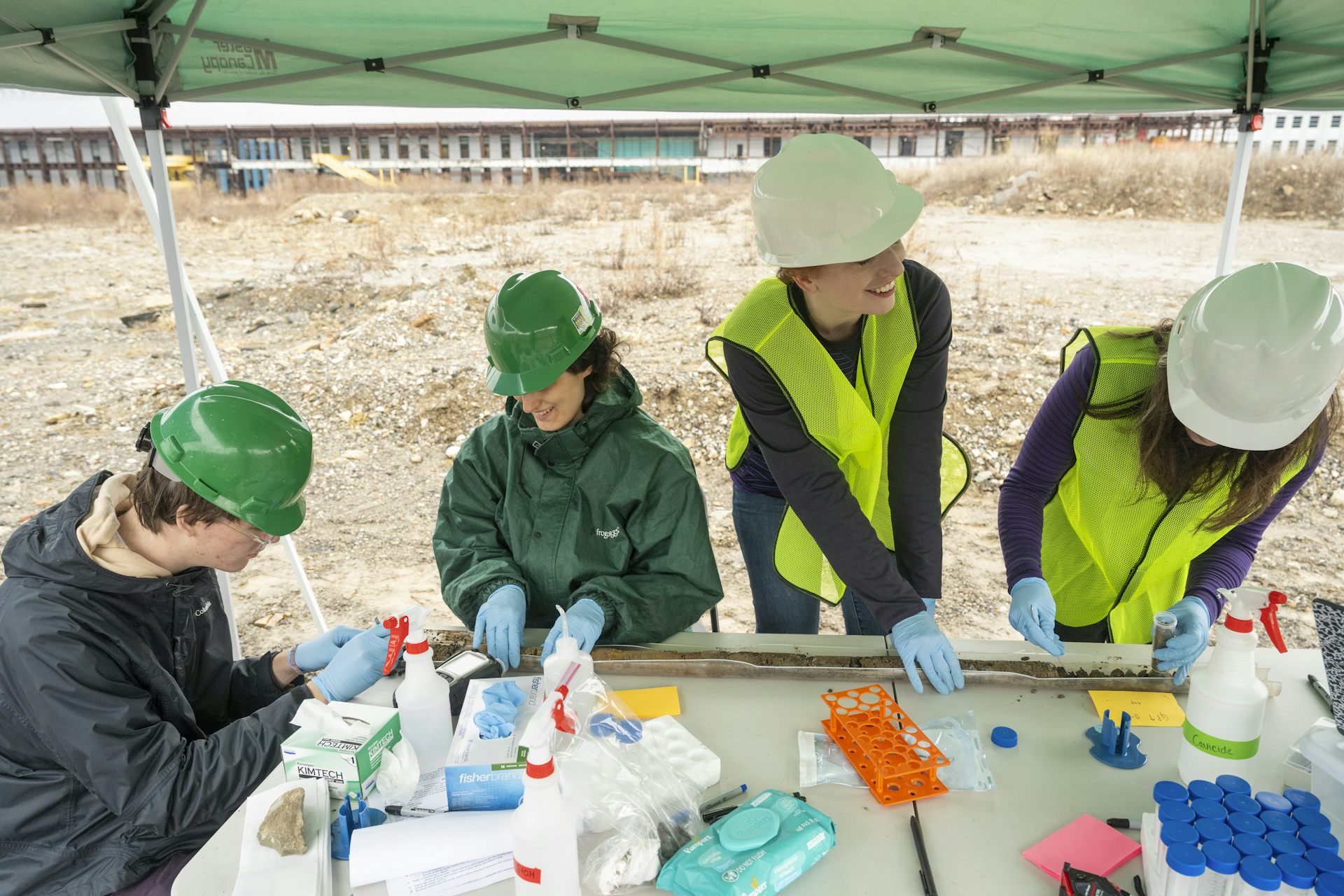
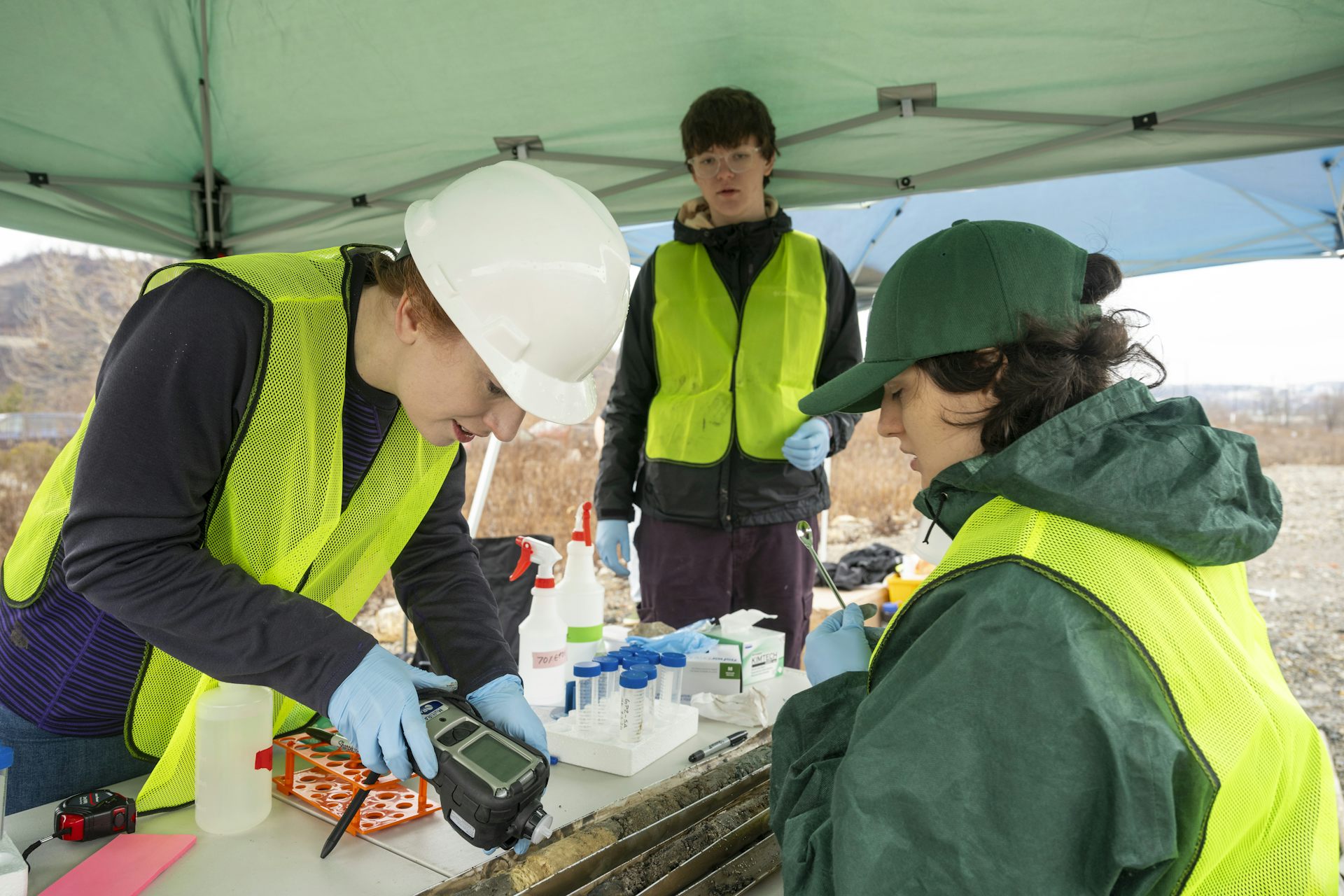
My laboratory at Carnegie Mellon University’s Department of Biological Sciences wants to understand the results of that natural experiment. We are collecting soil from areas of Hazelwood Green with different historical levels of contamination.
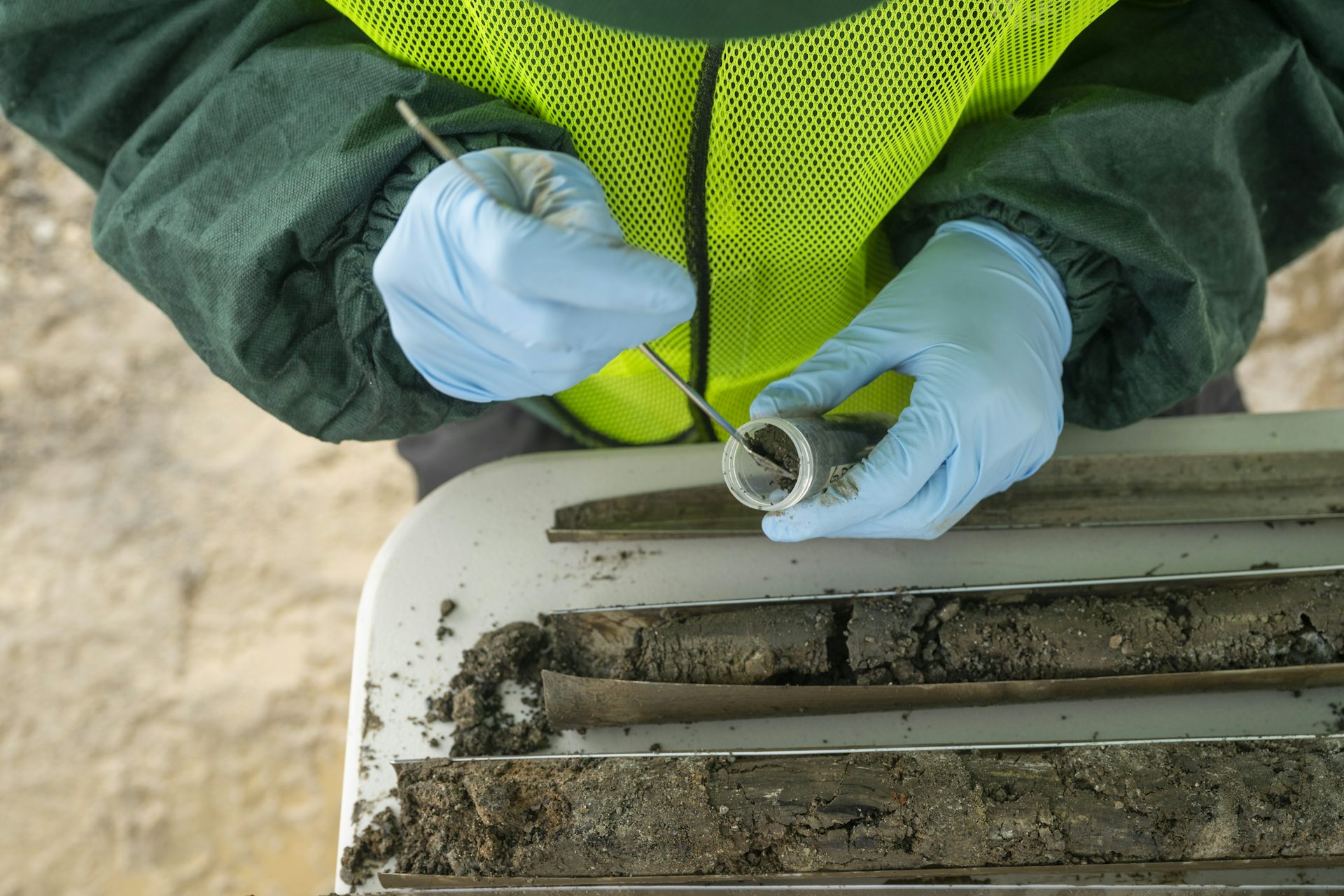
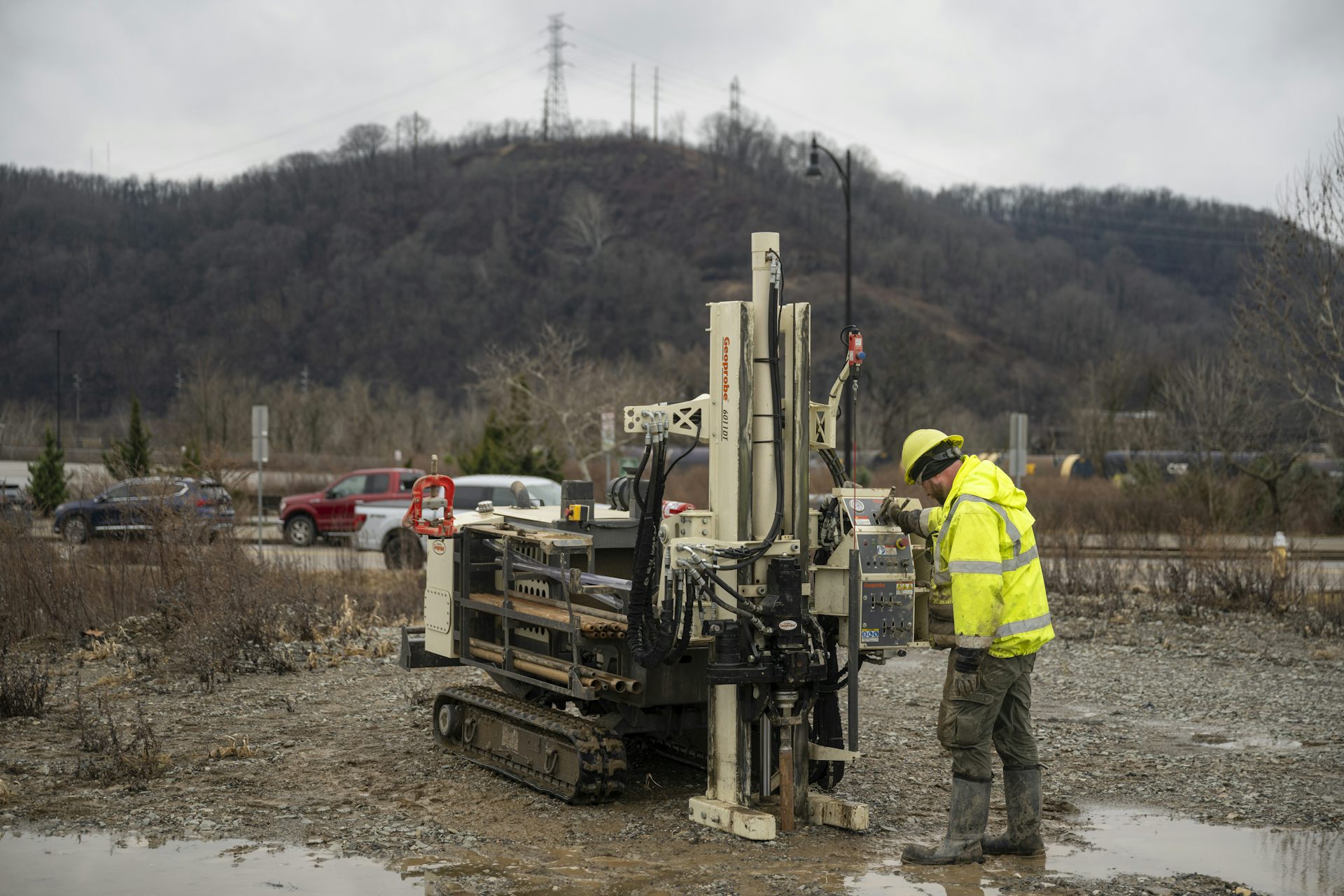
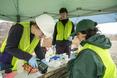
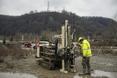
Soil cores – cylindrical samples of soil drilled straight down from the surface, preserving its layers at different depths – allow us to examine microbial communities deep below the surface. We extract DNA from these samples and use metagenomic sequencing – a technique that identifies all the microorganisms in an environmental sample directly from its DNA, rather than growing and studying one organism at a time.
Besides identifying which microbes are present, we want to know what they can do. One goal is to identify bacterial genes associated with degradation of BTEX and other hydrocarbons.
We’ve mapped decades of historical contamination records against the modern site, then compared microbial abundance across locations and depths to see whether past pollution left a lasting signature in these communities within Hazelwood Green.
DNA sequencing helps us understand what microbes might be capable of. But we also test those predictions directly. We isolate bacteria from Hazelwood Green and other Pittsburgh sites, then see whether they can use individual pollutants as food.
The basic experiment – a screen for BTEX-degrading bacteria – is simple. Normally, bacteria are grown in the lab in nutrient-rich media containing sugars, amino acids and other compounds they can readily consume. Instead, we grow them in a minimal medium where we leave out any carbon sources. Most bacteria need a source of organic carbon, essentially their “food,” to grow.
So we add a pollutant – benzene, toluene, ethylbenzene or xylene – as the sole carbon source in the media. If the bacteria grow, that suggests they can use the pollutant as food. In doing so, they remove it from the environment and help clean up the soil.
Finding those organisms one at a time is a slow process, so we’ve partnered with CMU’s AI Science Foundry, a robotic, automated lab located at Bakery Square, another remediated Pittsburgh brownfield.
Robotic systems there let us screen thousands of individual species of bacteria at the same time and measure how well each one degrades pollutants such as BTEX. Meanwhile, open-source tools we’re developing, such as BTEXgenie, search the bacterial genomes for genes that can help them degrade pollution.
This approach flips the usual order of discovery. Instead of studying one organism at a time and hoping it’s useful, we can scan thousands of genomes first to flag likely candidates – then confirm which ones actually work in the lab. Each round of testing also improves our ability to predict a microbe’s function from its DNA alone, so the process gets faster the more we learn.
Cleaning up contaminated soil is difficult and expensive. Common remediation methods – excavating contaminated soil or burying it beneath clean fill – can make land safe for redevelopment without actually eliminating the pollutants. This means long-term monitoring might be required afterward.
Using microorganisms to remove environmental pollutants is not a new concept. Bioremediation is already used for oil spills and wastewater treatment. In many cases, microbes naturally break down these contaminants as they grow, converting them into less harmful compounds.
However, bioremediation does not work equally well for every pollutant or at every contaminated site. One major challenge is identifying microbes that can degrade a particular contaminant while thriving under the environmental conditions where that contamination actually occurs. This is where studying microbes that already live in polluted environments gives us an advantage.
By identifying these naturally adapted microbes – and figuring out how they metabolize pollutants – we may be able to improve existing approaches to bioremediation.
As former industrial sites across Pittsburgh and the Rust Belt become new hubs for science and technology, perhaps some of the biological innovations we need have been evolving beneath them all along. We’re only now beginning to discover what those microbes have learned.
Read more of our stories about Pittsburgh and Pennsylvania.
This article is republished from The Conversation, a nonprofit, independent news organization bringing you facts and trustworthy analysis to help you make sense of our complex world. It was written by: Catherine Armbruster, Carnegie Mellon University
Read more:
Should you swim in Pittsburgh’s rivers? A water researcher breaks down the answer
Severe storms battered Pittsburgh twice as often as usual this spring – a meteorologist explains why
How does Salmonella contaminate everything under the sun? A food safety specialist explains how you can stop its spread
Catherine Armbruster receives funding from The Richard King Mellon Foundation to investigate microbial bioremediation of brownfields.







Comments