Lowering fuel-efficiency standards for cars could cost Americans more, not save them money
Published in Science & Technology News
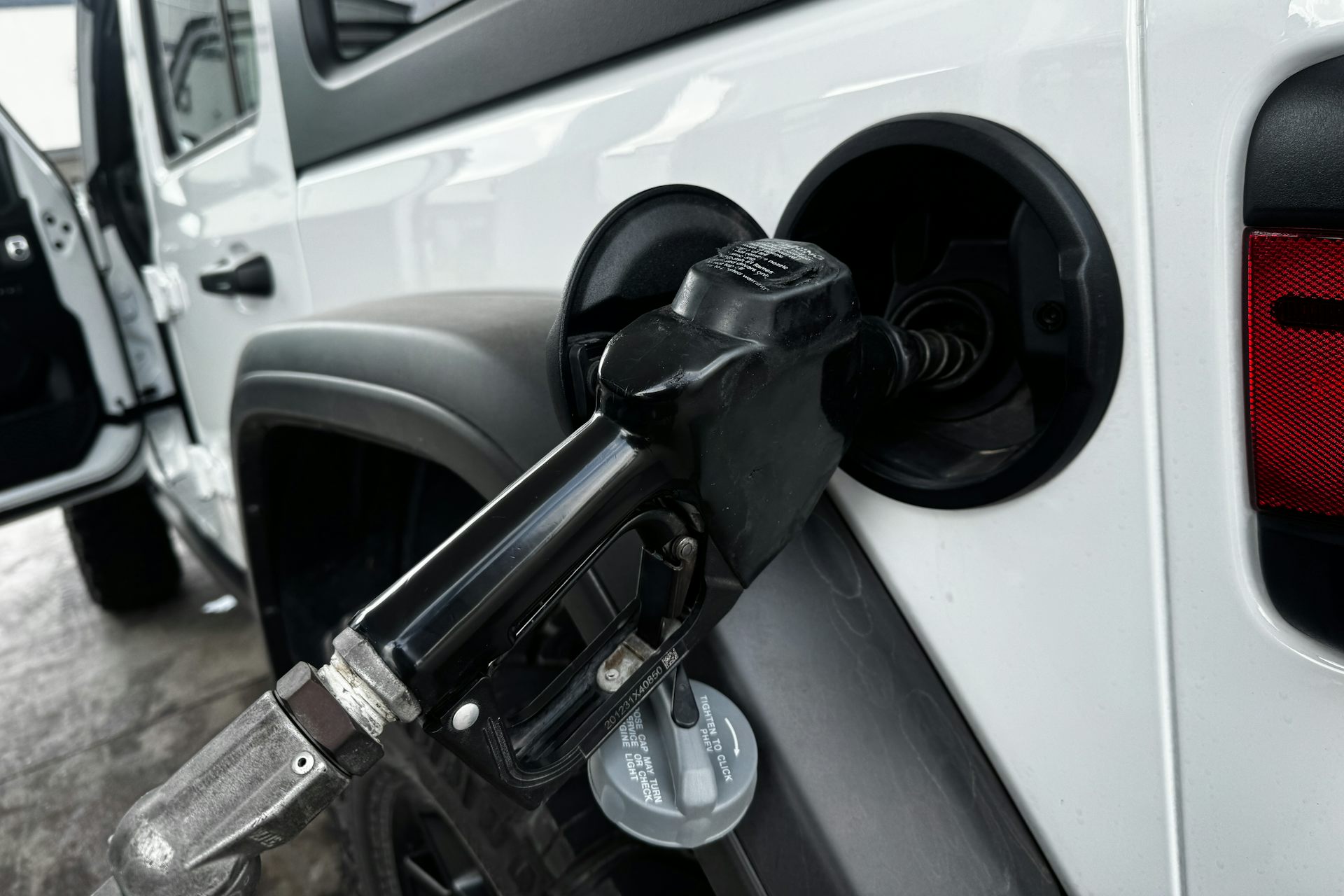
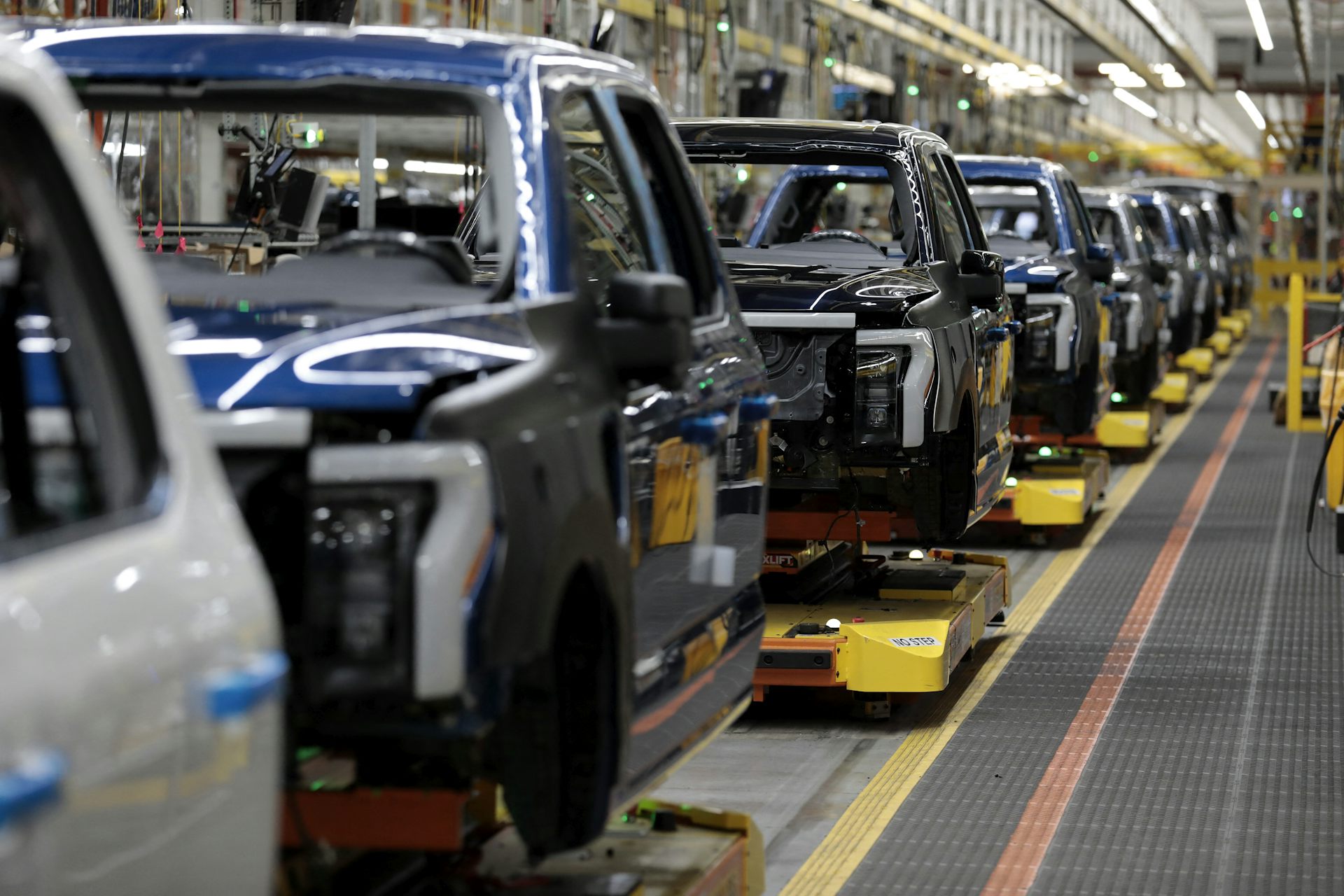



When looking to purchase a car, many people hesitate to buy one that could reduce their fuel costs, even when gas prices are high. The Trump administration has made that decision more complex for consumers.
Cars with lower fuel costs tend to be more expensive to purchase, may be inconvenient to refuel or may have less trunk space. Conventional gasoline engine models often have lower up-front prices and standard features, including easy refueling and cargo space, which keeps consumers buying them.
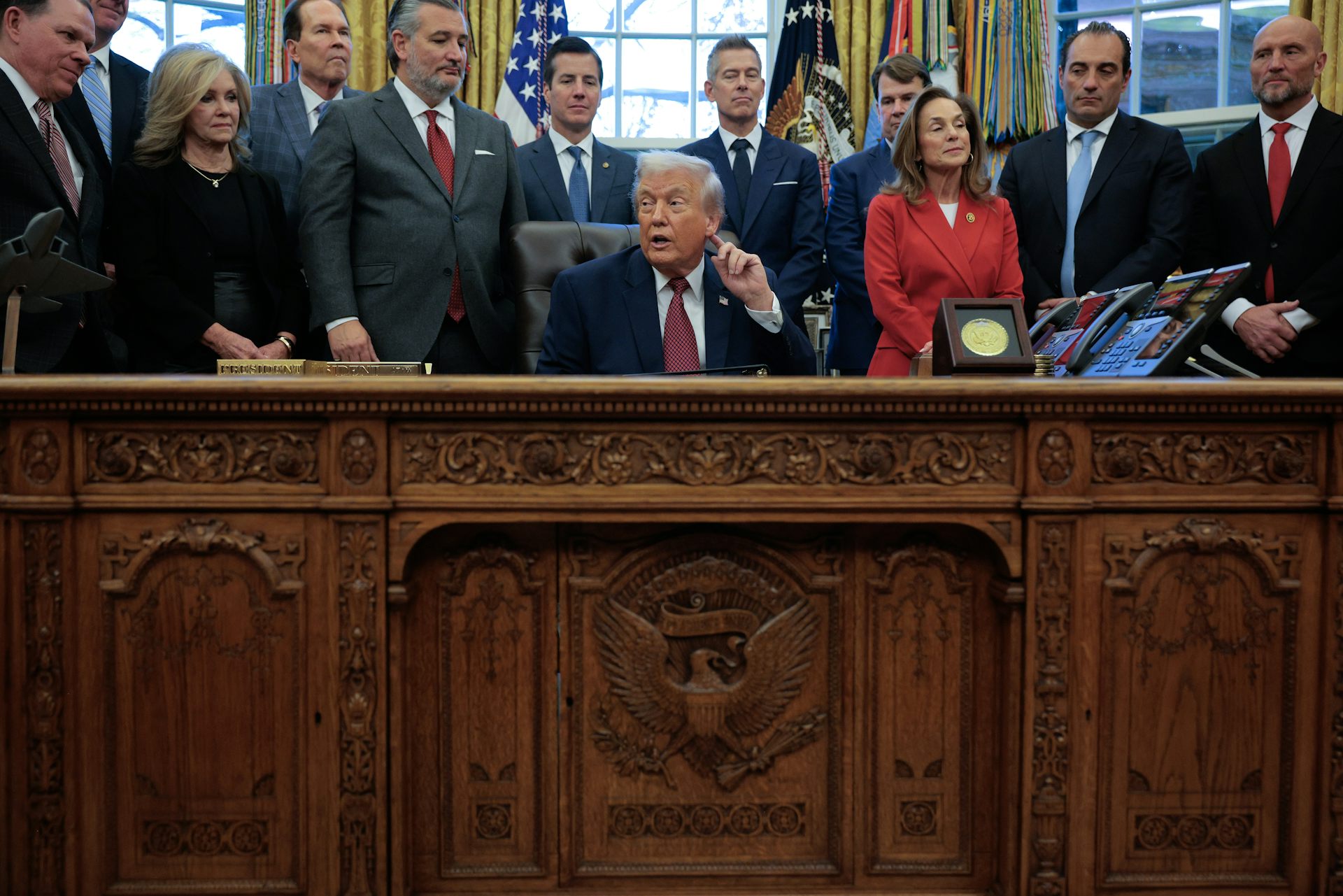
Since taking office, the Trump administration has eliminated limits on greenhouse gas emissions from vehicles and rolled back future standards for vehicle fuel efficiency, allowing future passenger vehicles to consume more gas per mile traveled than what would have been allowed under existing rules. The administration claimed those actions would save people money.
Specifically, the administration said the fact that it’s cheaper to build less-efficient cars would mean consumers would pay prices so low that the savings would offset any additional costs for fuel over the life of the car.
However, the article we recently published in the journal Science explains that the administration’s decision is based on several flawed assumptions, including how much buyers care about their cars’ future fuel costs. We found that the administration’s regulation changes will leave U.S. car buyers worse off because they will spend far more on gas relative to the up-front price savings, especially if gasoline prices remain high for a long period.
Take a look at two comparable cars: a gas-powered 2026 Toyota Corolla and a 2026 Toyota Corolla hybrid powered with a combination of gas and electricity. The base model hybrid costs $1,800 more to buy than the base model gas-powered car.
The gas car has an average fuel efficiency of 34 miles per gallon; the hybrid’s is 50 miles per gallon. To drive the same distance, the hybrid’s increased efficiency saves $550 a year in fuel costs, assuming gas costs $4 per gallon.
So after about three years and a few months, the gas savings of the Toyota hybrid will have evened out its higher purchase price. Some cars take longer to break even: The fuel savings from a Honda Accord hybrid will take about eight years. But the average car is nearly 13 years old – meaning fuel savings will continue for a decade after the owner has broken even on the higher sticker price.
In its analysis of the economic effects of the loosened restrictions, the U.S. Environmental Protection Agency assumed that consumers sacrifice valuable vehicle features when buying a more fuel-efficient vehicle.
For instance, the agency pointed to people being annoyed by certain fuel-saving technologies such as stop-start ignition, which shuts off the engine at a red light in certain types of vehicles, or the difficulty of charging an electric vehicle away from home. It projected that people prefer cars without stop-start ignition and without the need to charge batteries.
Furthermore, the EPA assumed that gasoline prices would never exceed $3.50 per gallon, a level far lower than current average prices. While the EPA agreed that a less-fuel-efficient car would cost more to refuel, it also claimed that consumers would lose about 75% to 79% of those fuel cost savings because of unhappiness with certain fuel-saving technologies or the inconvenience of refueling electric vehicles.
However, after reviewing studies on how much people value different attributes of various vehicles, we found the evidence showed consumers would be willing to pay only 17% to 31% of those additional fuel costs.
Therefore, while consumers would pay a lower up-front purchase price if fuel-efficiency standards remained high, they would not find enough value in desirable features on the cars to make up for higher recurring spending on gasoline. And that does not even consider the environmental costs, including damage associated with greenhouse gas emissions, which is influencing U.S. car buyers’ choices.
In fact, given the recent improvement in features of EVs and charging infrastructure, we believe that the agencies may have overestimated those costs by even more. Many current new EVs have around 300 miles of range before needing to be recharged. That’s much farther than cars available even five years ago.
Making matters more difficult for consumers is the fact that recent presidents have sent mixed messages to automakers.
The Obama administration set aggressive standards for improving fuel economy and reducing greenhouse gas emissions.
The first Trump administration rolled back those standards. The Biden administration not only reinstated the Obama standards but went beyond them, requiring further increases in fuel efficiency and emissions reductions.
The second Trump administration’s moves to reverse the Biden standards have left automakers unclear about how to develop long-term plans for what to build and sell. That planning happens years in advance.
In 2025, when Trump discontinued federal tax subsidies to help people buy electric cars, automakers stopped building as many. With the fuel-efficiency changes, many automakers have shifted away from introducing new EV models and toward promoting gasoline models.
Fewer electric cars makes it more challenging for people to buy them. In the U.S., according to September 2026 sales data, all-electric cars account for about 7% of new car sales – while in China, where electric cars abound and are subsidized by the government, around 40% of new cars people bought in 2026 were all-electric.
Our work finds that eliminating the greenhouse gas emissions standards and weakening the fuel-efficiency rules will bring Americans more pain at the pump and hurt people’s wallets, making living less affordable.
This article is republished from The Conversation, a nonprofit, independent news organization bringing you facts and trustworthy analysis to help you make sense of our complex world. It was written by: Benjamin Paul Leard, University of Tennessee and Joshua Linn, University of Maryland
Read more:
Americans want electric cars – they just can’t find them
How the ‘Big Beautiful Bill’ positions US energy to be more costly for consumers and the climate
To make the US auto fleet greener, increasing fuel efficiency matters more than selling electric vehicles
Benjamin Paul Leard is affiliated with the University of Tennessee and Resources for the Future.
Joshua Linn receives funding from the Alfred P. Sloan Foundation. He is affiliated with the University of Maryland and Resources for the Future.







Comments