Clarence Page: A botched execution shakes our attitudes toward the death penalty
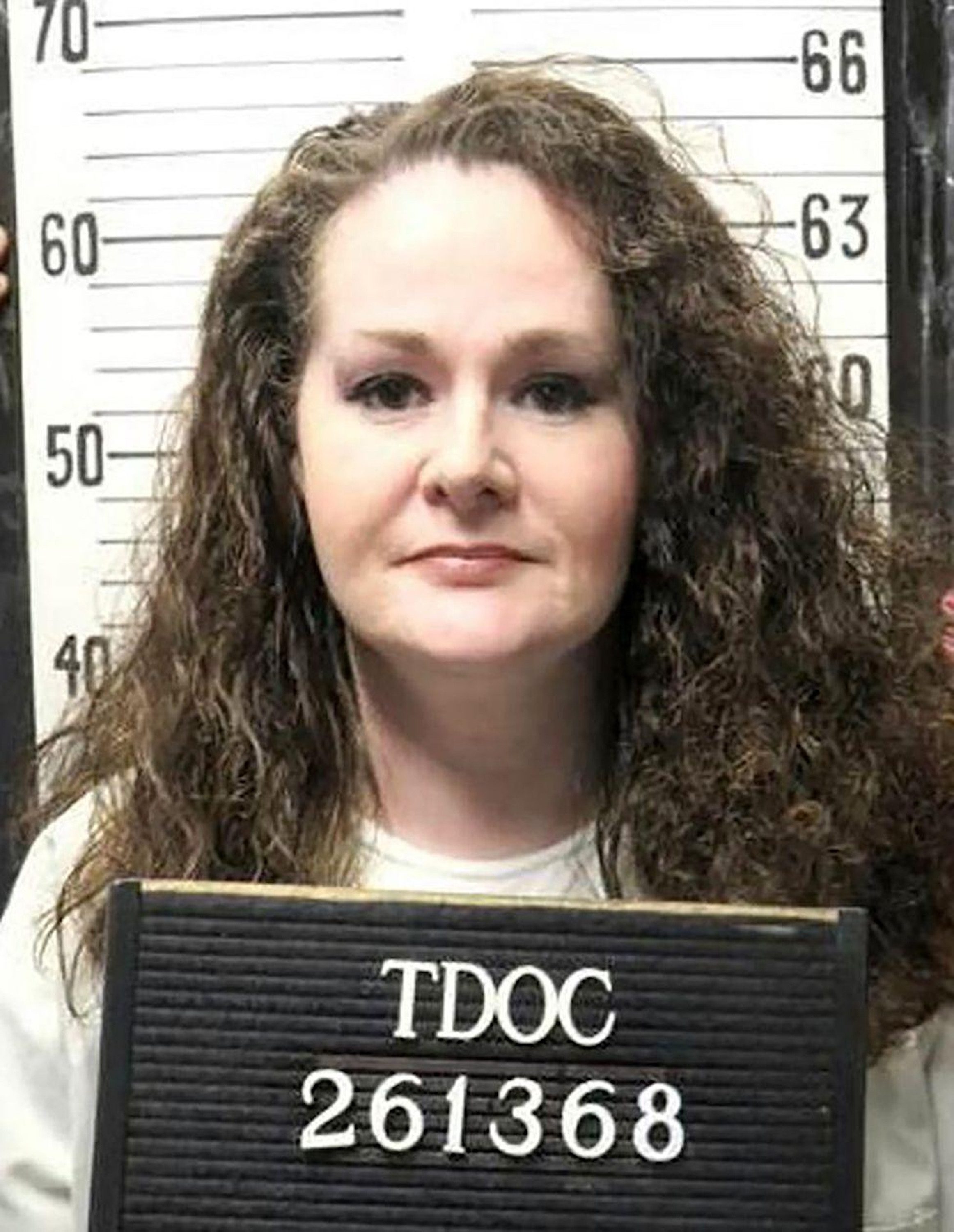



Almost a week after receiving a double shot of a lethal execution drug, Christa Pike woke up in a Nashville, Tennessee, hospital, handcuffed to a bed and, according to one of her lawyers, “angry and confused.”
Indeed, anger and confusion is pretty much where this horrifying episode leaves most of the rest of us, regardless of where we stand on the volatile issue of capital punishment.
The details of the execution attempt and its aftermath are appalling, compounded by the fact that Pike’s lawyers had warned that she suffered from a blood-clotting condition that makes any intravenous injection, including a lethal one, more prone to failure.
Failure is what happened in the execution chamber at the Riverbend Maximum Security Institution in Nashville on October 30, as Pike, after the first injection, raised her head and asked a question to the officials conducting the execution.
That first, insufficient injection of pentobarbital was followed by a second one, and members of the press were horrified to observe that Pike remained “alive and loudly snoring,” according to the Associated Press, before the microphone was cut off in the execution chamber. Then she was taken by ambulance to a hospital.
Believed to be brain dead last Monday and scheduled to be taken off life support, on Tuesday Pike astonishingly regained consciousness. By Thursday she had taken a few steps.
“Christa is a survivor,” said Randy Spivey, one of her attorneys. “She survived child sexual abuse; she survived rapes of multiple men; she survived a suicide attempt when she was 12, and she survived the state’s attempt to execute her.”
So far, anyway. A looming question remains as to whether she would be sent to the death chamber for yet another attempt to have her sentence carried out, even as she struggles with pneumonia, a blood clot and the inability to move her arms, according to recent reports.
As an opponent of capital punishment, I find the unintended gruesomeness of this episode deeply disturbing, to say nothing of the cruelty that capital punishment brings when the execution method works.
Lethal injection, a procedure intended to offer a less objectionable alternative to, say, the electric chair, appears to have led to an outcome even more gruesome for having failed to accomplish its purpose.
Pike's botched execution has also afforded another opportunity to consider whether her punishment fit the crime she committed, which was gruesome and cruel in its own right.
Her story, the subject of an impressive list of televised true-crime shows over recent years, offers a tragic profile of a young woman whose impoverished childhood in a small rural West Virginia town put her on a path to ruin.
Now 50, Pike was 18 years old when she murdered her classmate, 19-year-old Colleen Slemmer, with the help of her boyfriend, Tadaryl Shipp, and their friend Shadolla Peterson.
The three reportedly lured Slemmer into the woods and proceeded to torture and kill her, allegedly in the heavily disputed belief that she had tried to steal Pike’s boyfriend.
Pike maintained that her only intention had been to frighten Slemmer, but after carving a pentagram into their victim's body, Pike crushed her skull with a chunk of blacktop.
Of the three involved in the murder, only Pike was sentenced to death.
Apart from the cruelty of the death penalty, my main objection to it is the possibility of human error in the justice system.
Humans make mistakes.
There is no question that Pike murdered Slemmer. The human error in her case may be that she was not given adequate consideration during her trial and sentencing for the trauma and abuse she suffered as a child, nor is it clear that undiagnosed mental issues were duly considered. That was an argument her lawyers made in a court filing to quash her death sentence. The “immature, traumatized brain" of an 18-year-old, they argued, "made her exceptionally vulnerable to impulses and extremely poor decisions.”
This appeal failed to spare Pike from her fate, yet the lingering question remains: How well can we help our young people break the cycles of poverty, abuse, addiction and neglect for which capital punishment remains such a seemingly necessary but persistently unsatisfying remedy?
Less then two months from now, the public's attention will be drawn to another scheduled execution, that of Nidal Hasan, by firing squad.
A firing squad? I haven’t heard much about that alternative since Gary Gilmore, by his own request, was executed by a firing squad at the Utah State Prison in 1977.
Since then, I have learned that four more states — Idaho, Mississippi, Oklahoma and South Carolina — have authorized firing squads for executions.
Hasan, an American soldier who killed 13 people, including fellow soldiers, at Fort Hood, Texas, in 2009, will be the first service member executed by firing squad since 1945. On Thursday, Secretary of Defense Pete Hegseth announced that Hasan’s execution will be livestreamed.
Considering what Pike’s plight shows us about the hazards of lethal injection, quick and simple death by firing squad may sound more effective. But I don’t expect it will edify or satisfy the American public.
(E-mail Clarence Page at clarence47page@gmail.com.)
©2026 Tribune Content Agency. Distributed by Tribune Content Agency, LLC.
(c) 2026 CLARENCE PAGE DISTRIBUTED BY TRIBUNE MEDIA SERVICES, INC.


















Comments