Ask the Pediatrician: How to plan a balanced Thanksgiving meal for picky eaters
Published in Health & Fitness
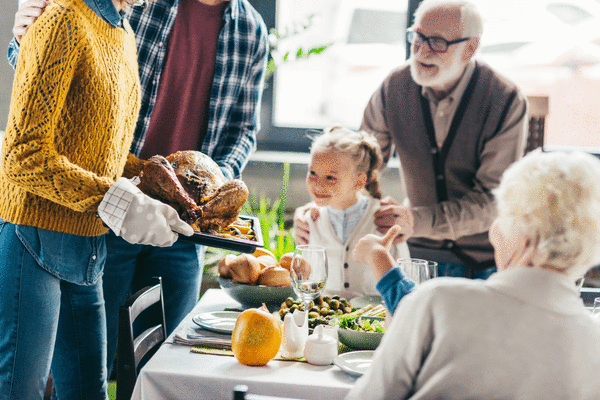
As a parent, I know all too well the feeling of working hard on creating a meal that you think your children will enjoy, only to be let down by their refusal to eat more than a bite or two. With Thanksgiving being one of the most celebrated meals of the year, parents of picky eaters may have heightened apprehension about their kid’s response to the holiday food traditions.
Fortunately, a little planning and a pressure-free approach can help make Thanksgiving more enjoyable for everyone at the table. The American Academy of Pediatrics has several tips to encourage children to try new foods while still enjoying the holiday meal.
To start, it is important to understand that it is normal for children to need to see a new food 10-15 times before they’re willing to try it. “Seeing” a new food doesn’t necessarily mean taking a bite. Exposure can mean visualizing it, smelling it, touching it, or even just having it on their plate.
Start by introducing a few of the unknown food items a few weeks before the big day. For example, if you know that green bean casserole is a staple for your family, then make sure to offer cooked green beans on your child’s dinner plate a few different ways in the weeks leading up to the holiday.
Another tip is that once a food is accepted, find similarly colored, flavored or textured "food bridges" to expand the variety of foods your child will eat. If your child likes pumpkin pie, for example, try including mashed sweet potatoes in your meals a few times before Thanksgiving.
Another helpful strategy is to choose at least one food that you know your child will like. Whether Thanksgiving will be served at your house or if you will be going to someone else's home to celebrate, make sure to offer to bring at least one food that you know your child will like. This way, your child is guaranteed to see a familiar food and will eat something during the meal.
Remember, kids often have a harder time with self-control when they are ravenous, so taking the edge off their hunger may also help make the gathering go a little smoother for your child. A bonus tip: If the food also contains some element of protein, it will help them to stay full longer.
Sometimes it can also help to have your child participate in meal planning. Ask your child if they would be interested in helping you plan a Thanksgiving feast. Let them know you plan to offer at least one protein, a grain, a vegetable and fruit. You can tell your child about any foods you are definitely planning to include, such as turkey as a protein and stuffing as a grain. This is a great time to also educate them about traditional Thanksgiving foods, and to share why a particular dish is a favorite or holds significance in your family.
Ask if they have ideas for the other food groups. For example, "What kind of vegetable do you think we should include? How about a fruit?" Then, together find recipes that use those foods as ingredients. A helpful way to help them decide is by showing them pictures of the proposed recipes, as it will be easier for them to get excited about a particular dish if they can more easily imagine the finished product. A child who helps to choose a food that will be offered is much more likely to at least try it.
You could even invite your kids into the kitchen to help prepare your Thanksgiving meal. For example, ask your toddler to help clean the vegetables, your school-aged child to help mash the potatoes, and your teenager to boil the cranberries. When kids help cook food, they often sample what they are preparing and are more likely to eat their masterpieces later. At the very least, they can take pride in having contributed to the celebration.
One of the best ways to encourage children to try new or unfamiliar foods is to make them appealing. Kids often decide they won't like a food before tasting it, simply based on its appearance or even its name. This Thanksgiving, make dishes as inviting as possible by focusing on presentation, aroma and flavor. Add warm, fragrant spices like cinnamon and nutmeg to cooked apples, or arrange a vegetable tray in the shape of a turkey. Small touches like these can spark curiosity and increase the chances that your child will be willing to give a new food a try.
The goal of Thanksgiving isn't for your child to clean their plate or suddenly love every food being served. It's an opportunity to create positive experiences around family meals and gently expose children to new foods without pressure. Even if they don't take a bite this year, every exposure counts. Focus on the laughter, conversation and gratitude around the table, knowing that healthy eating habits are built over years, one meal at a time.
____
Andrea Horbey DO, FAAP is board-certified in general pediatrics and pediatric hospital medicine. After an early career in the performing arts, she pursued medicine and discovered a passion for pediatrics. She practiced as a pediatric hospitalist in Florida for five years before joining Dolly Parton Children's Hospital in Knoxville, where she has cared for hospitalized children for the past two years. Dr. Horbey is an Assistant Program Director for the hospital’s pediatric residency program and is an Assistant Professor of Pediatrics at the University of Tennessee Health Science Center. Her professional interests include health communication, sharing practical parenting guidance and promoting the benefits of outdoor play for children.
©2026 Tribune Content Agency, LLC.









Comments